
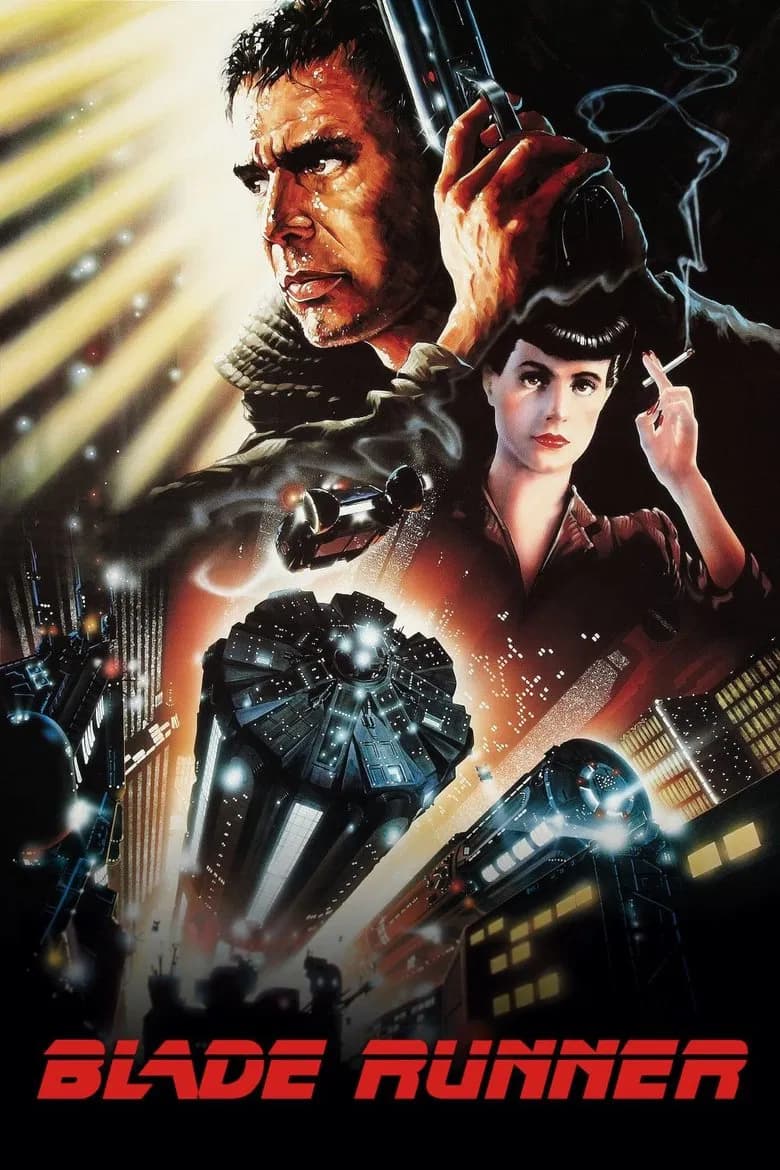
Blade Runner
The original pairs a blade runner’s hunt with questions of manufactured life, using rain-dark Los Angeles and noir restraint; the sequel broadens that mood into lonelier spaces.

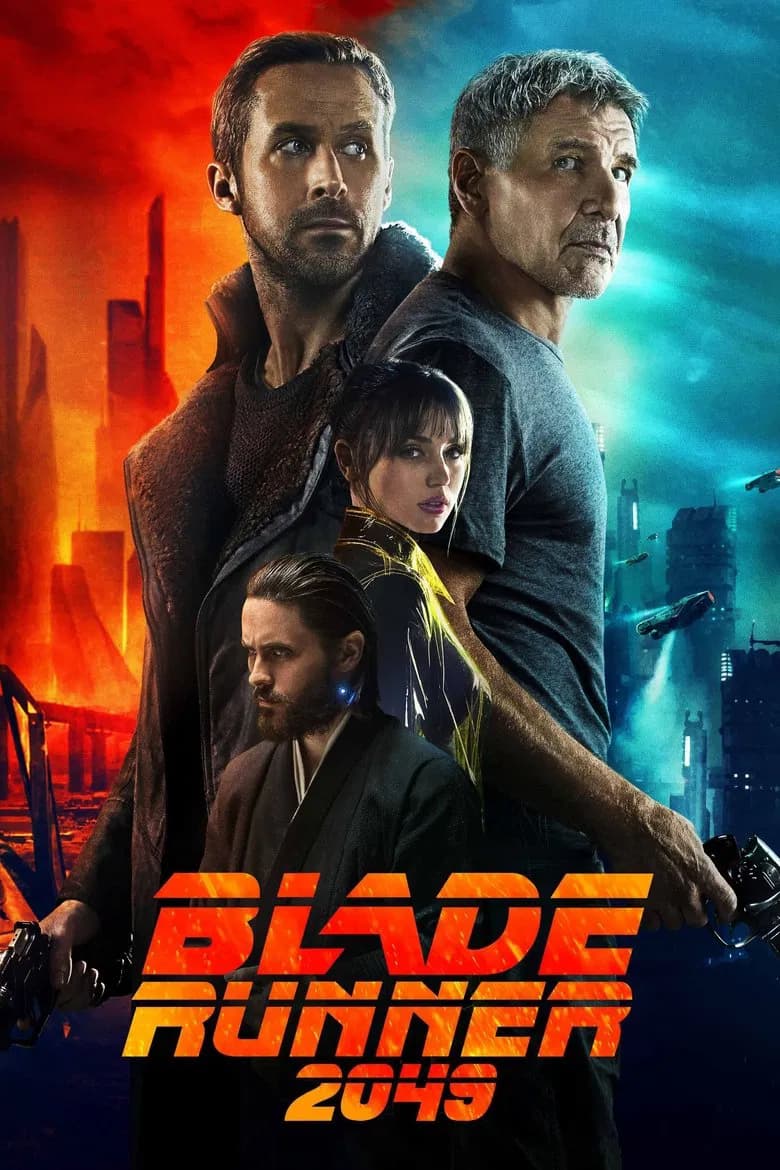
Thirty years after the events of the first film, a new blade runner, LAPD Officer K, unearths a long-buried secret that has the potential to plunge what's left of society into chaos. K's discovery leads him on a quest to find Rick Deckard, a former LAPD blade runner who has been missing for 30 years.
Thirty years after the first film, Officer K’s search for Rick Deckard turns a buried secret into a question about memory, identity and what counts as human. Denis Villeneuve shapes the investigation as a hushed, expansive neo-noir: vast cityscapes, spare dialogue and a measured pace make solitude feel as consequential as the mystery.
Based on 9 anonymous aggregate taste signals.
Titles that echo something distinctive in this one, with a quick note on the connection.
The original pairs a blade runner’s hunt with questions of manufactured life, using rain-dark Los Angeles and noir restraint; the sequel broadens that mood into lonelier spaces.
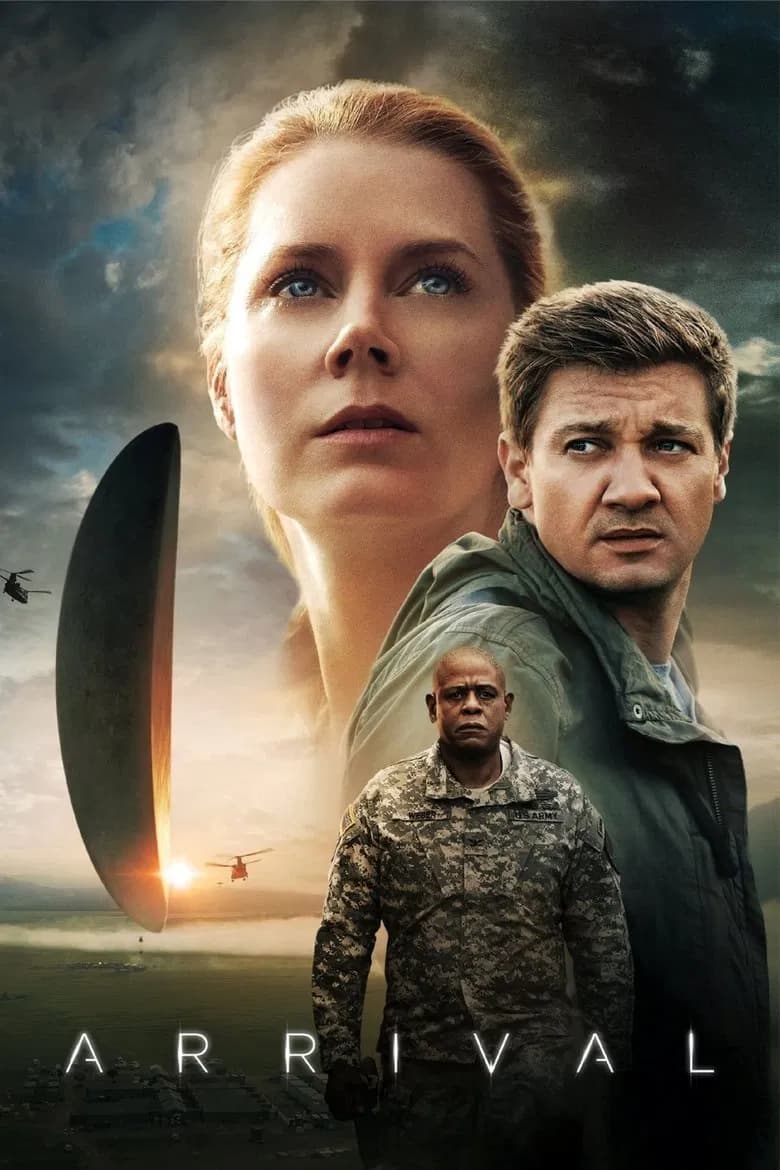
Both Villeneuve films let a patient investigation open into questions of identity and human connection, though Arrival centres on language rather than a noir pursuit.
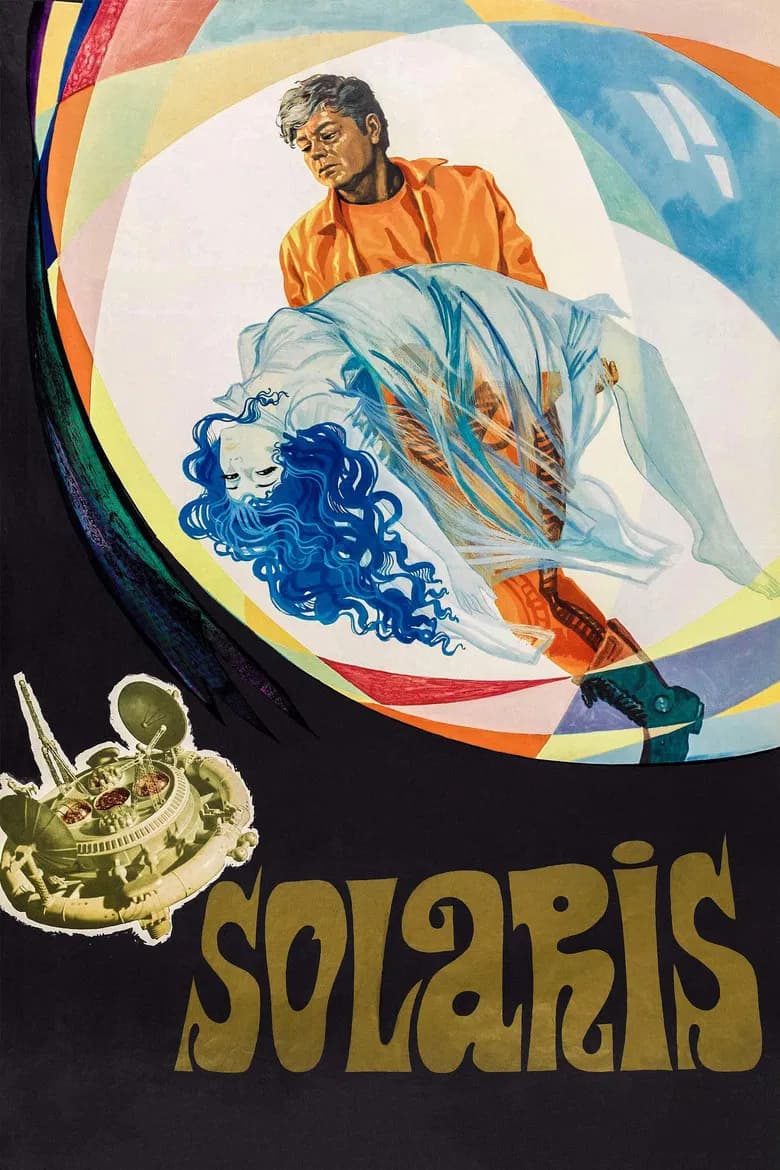
Solaris shares the sequel’s contemplative science fiction, where questions of personhood unfold through memory and absence; Tarkovsky’s space station replaces its urban noir landscapes.