
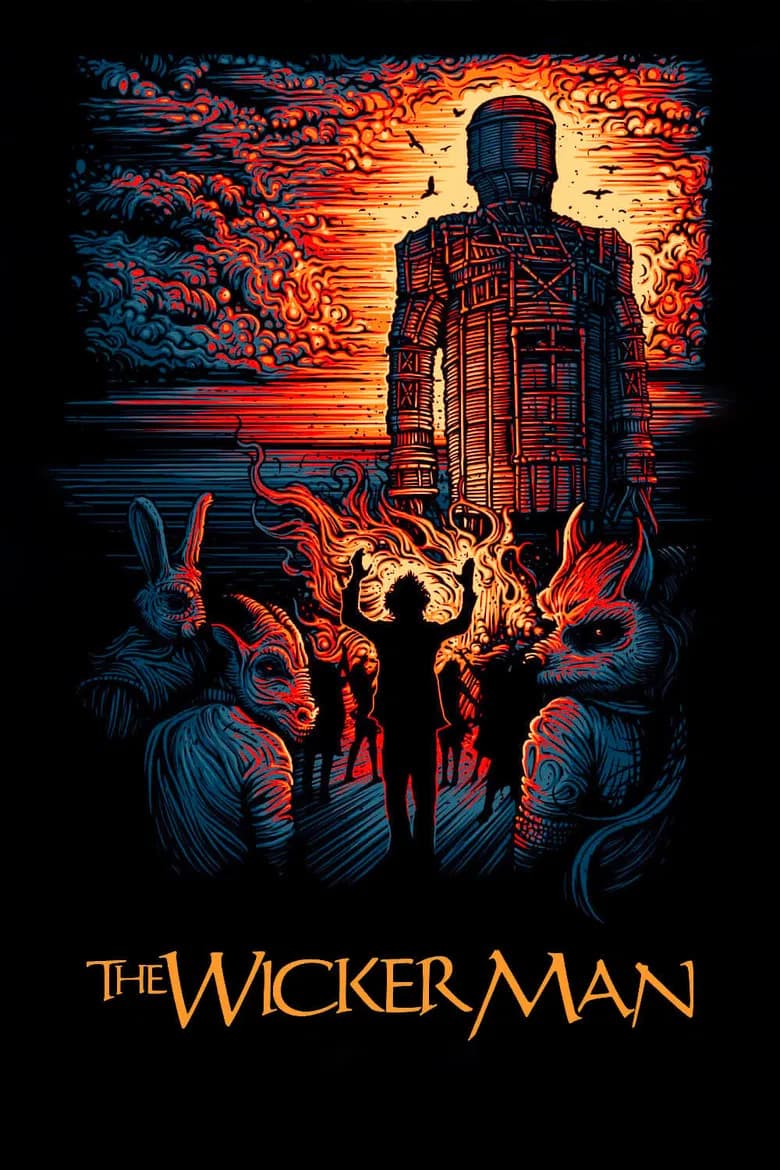
The Wicker Man
Like The Witch, The Wicker Man makes religious conviction shape an isolated community’s fears, though it shifts from a family’s fracture to an outsider’s investigation.
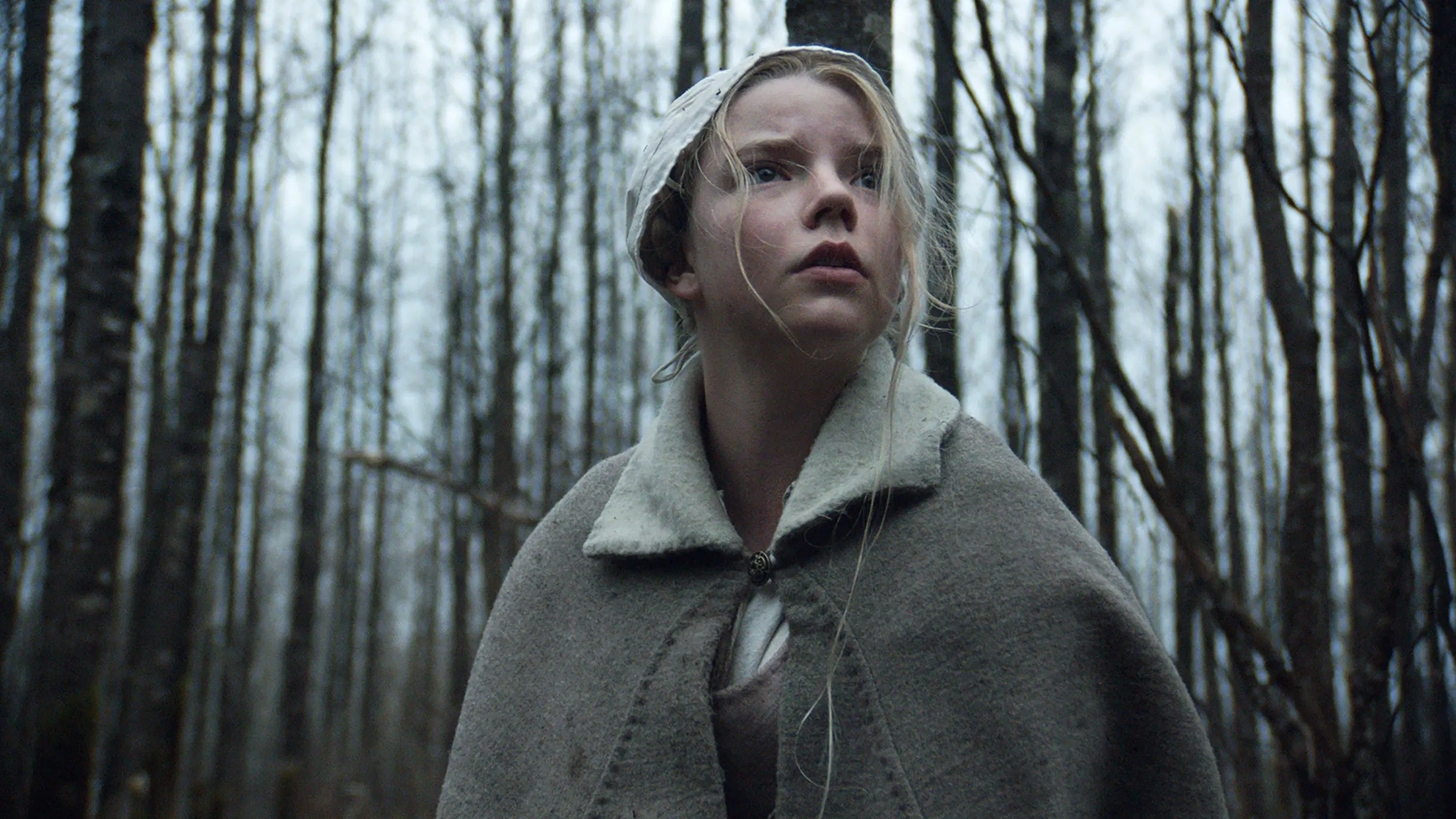
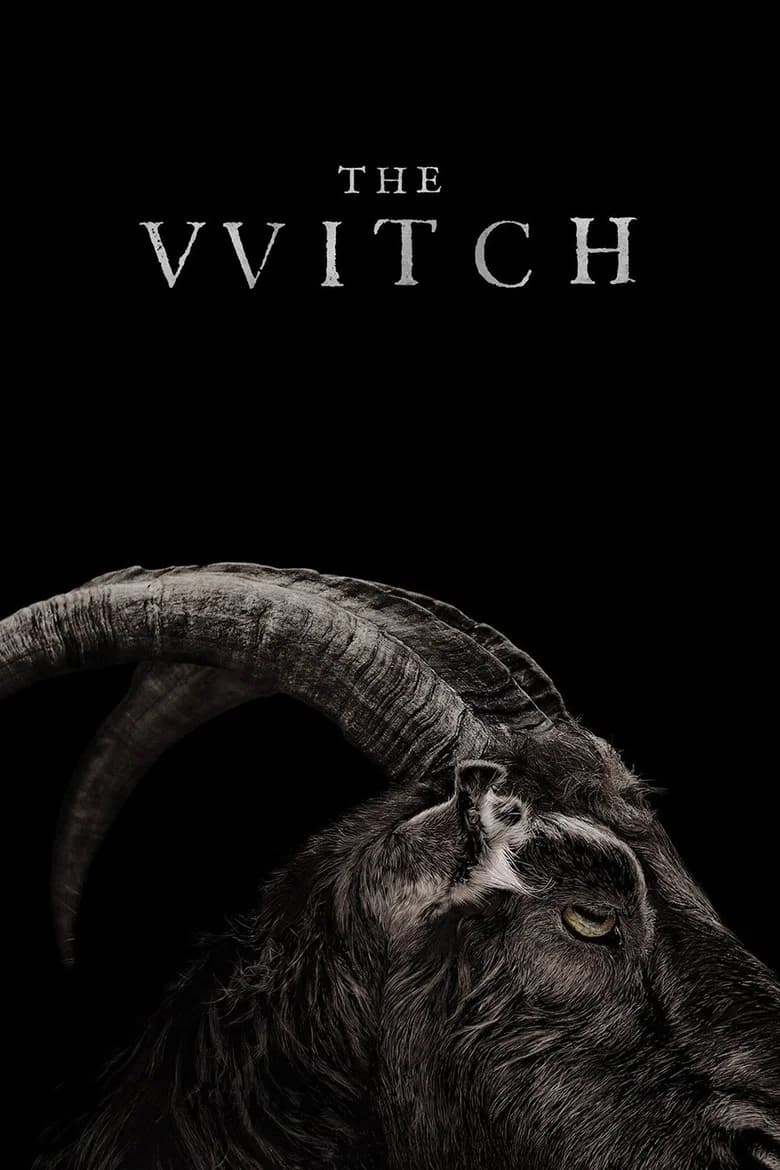
In 1630, a farmer relocates his family to a remote plot of land on the edge of a forest where strange, unsettling things happen. With suspicion and paranoia mounting, each family member's faith, loyalty and love are tested in shocking ways.
A Puritan family’s exile at the edge of a forest turns domestic hardship into a crisis of faith, as fear and suspicion strain the bonds between parents and children. The film builds its dread through austere landscapes, period detail and an ambiguity that makes the supernatural feel inseparable from the family’s beliefs.
Based on 8 anonymous aggregate taste signals.
Titles that echo something distinctive in this one, with a quick note on the connection.
Like The Witch, The Wicker Man makes religious conviction shape an isolated community’s fears, though it shifts from a family’s fracture to an outsider’s investigation.
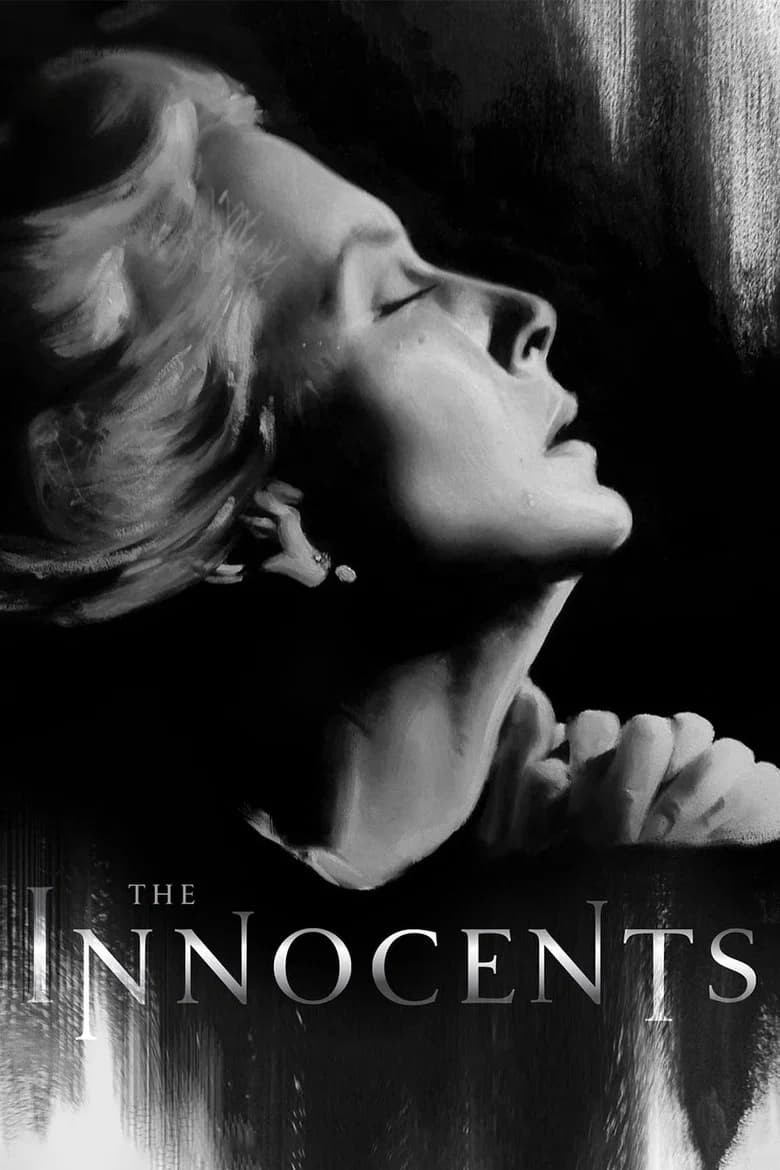
Both films let a woman’s uncertain perception turn a secluded household into a source of supernatural dread, with period settings tightening the mood.
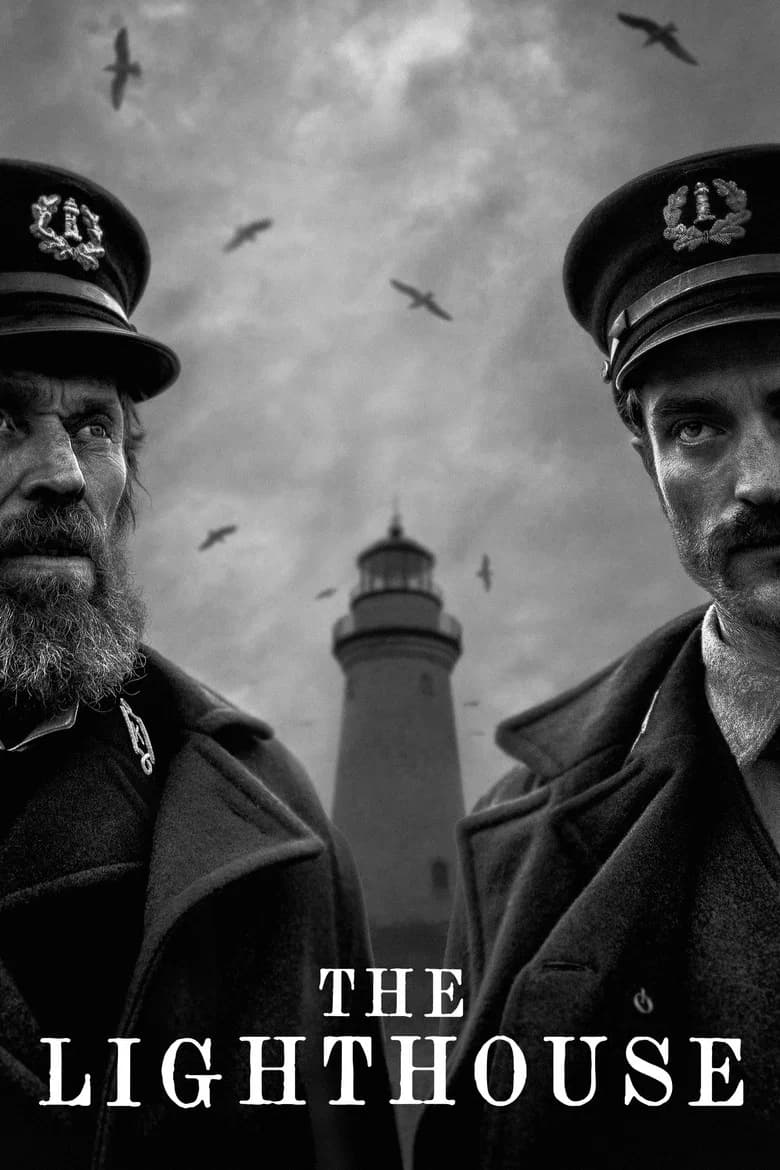
The Lighthouse shares Eggers’s stark period texture and remote New England isolation, but replaces family faith and folklore with a two-man struggle for sanity.